
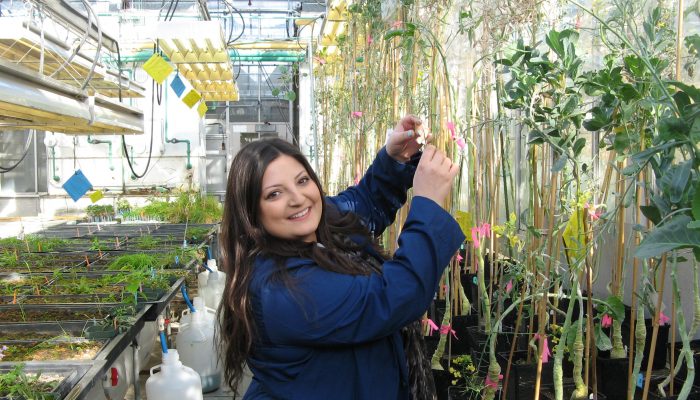
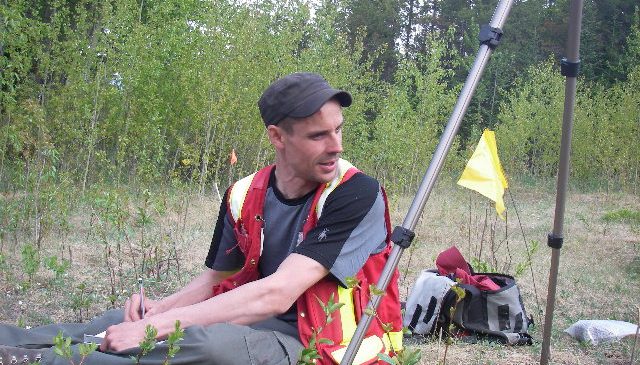
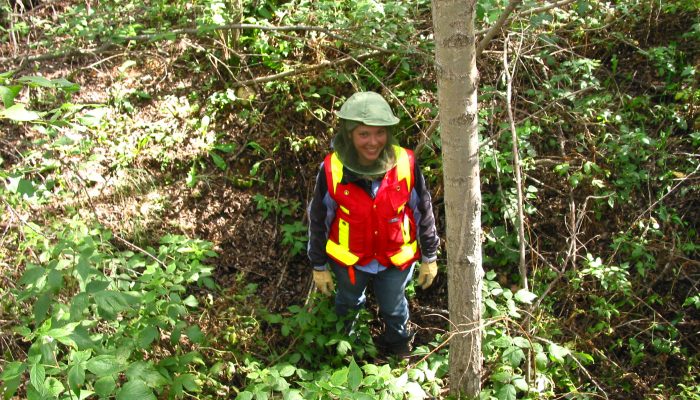
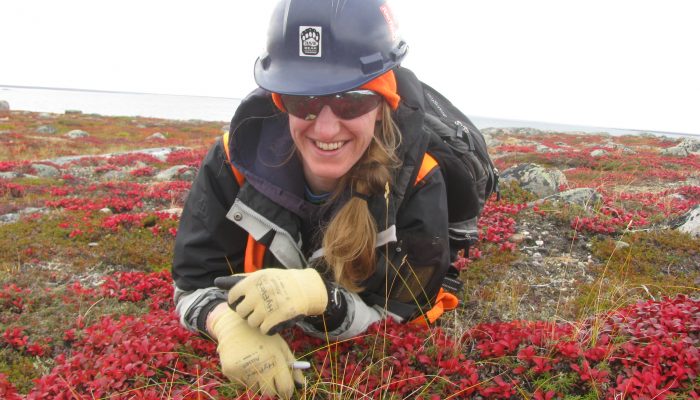
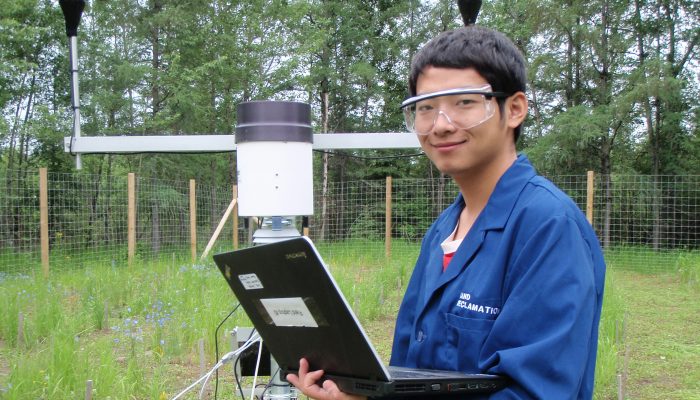
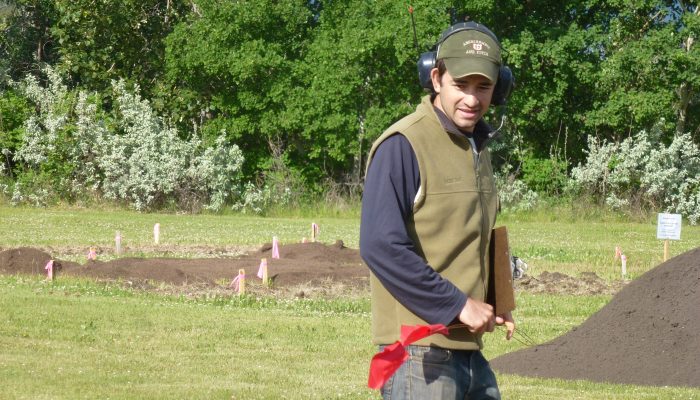
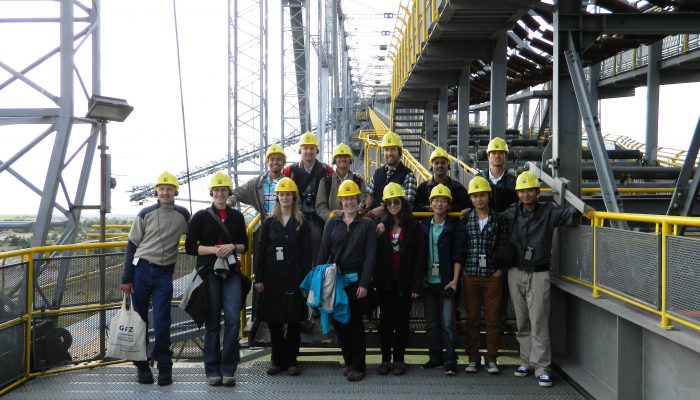
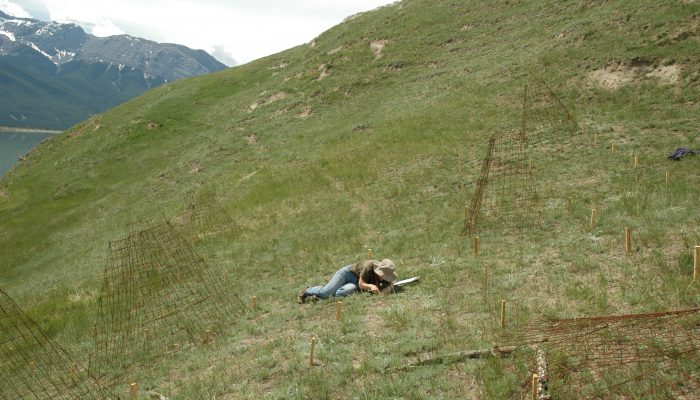
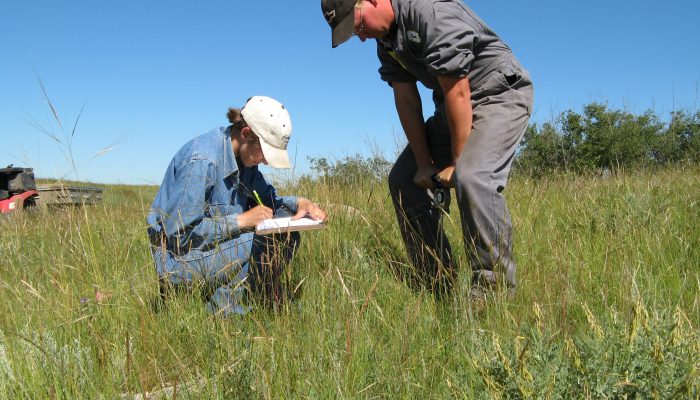
 Abhijeet Pathy, PhD Candidate
Remediating Industry Affected Process Water And Soil And Ground Water Using Waste Derived Adsorbents
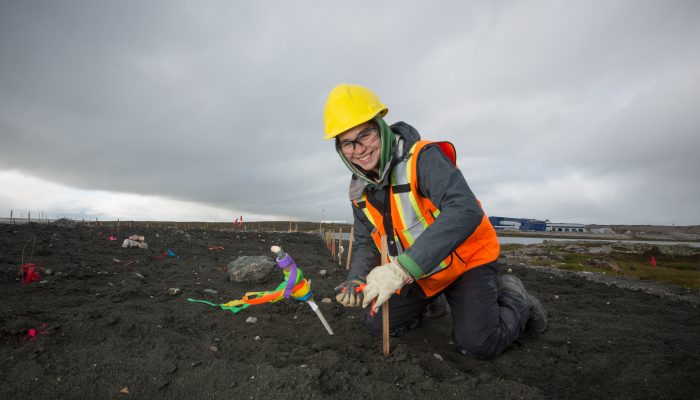
Abhijeet is assessing the potential of wheat and canola straw biochars and coal derived nanohumus as low risk, low cost adsorbents for removing heavy metals and hydrocarbons from industry contaminated soil and water, and optimal application conditions to maximize adsorbent removal efficiency. Abhijeet earned a Bachelor of Technology degree in biotechnology from the National Institute of Technology Rourkela in India. He has been a teaching assistant for various forest soils and land reclamation courses. He is the recipient of numerous awards including the prestigious Vanier Canada Scholarship.
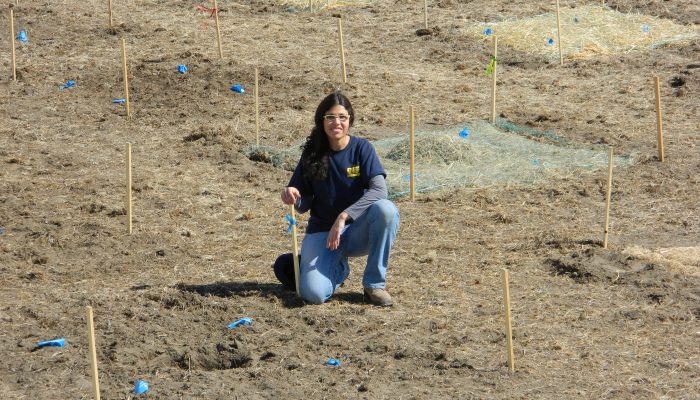
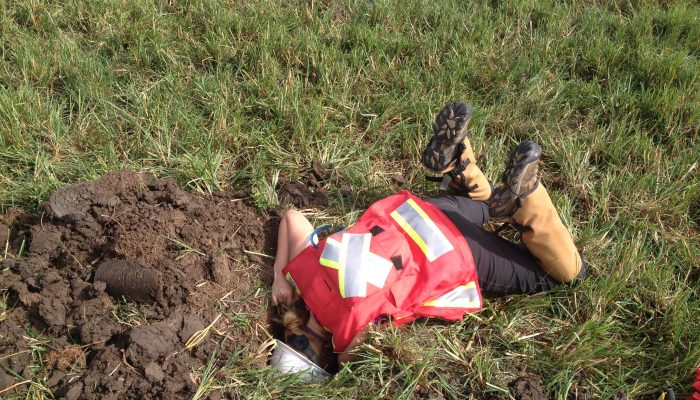
 Megan MacElheren, MSc Candidate
Seasonal And Microsite Variability Of Soil Microbiological Properties
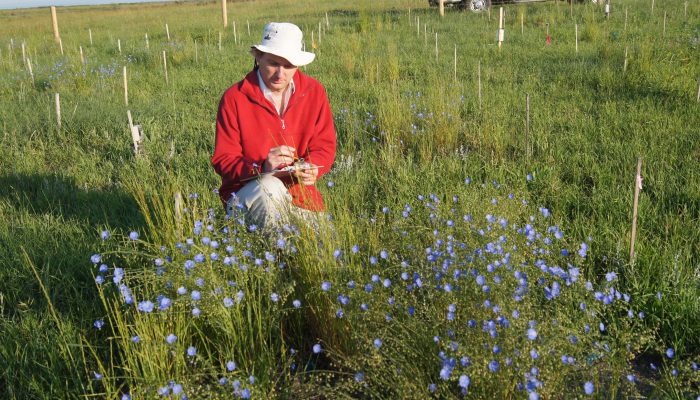
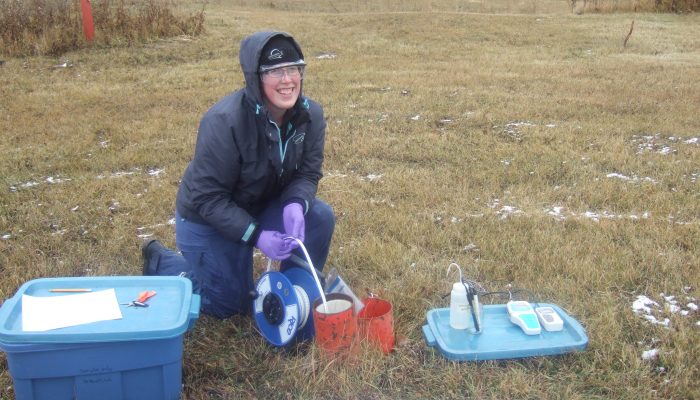
Megan is studying the dynamics of microbiological indicators of soil health in pasture systems, including the influence of temporal and spatial variability on the microbial soil community under grazed and hayed pasture-legume systems, to develop recommendations for best sampling practices for soil health monitoring. She is co-supervised by Dr Emmanuel Mapfumo at Concordia University of Edmonton (CUE). Megan earned a Bachelor of Science degree in environmental science from CUE. She has been a teaching assistant for various CUE courses. She is the recipient of an NSERC Canada Graduate Scholarship.
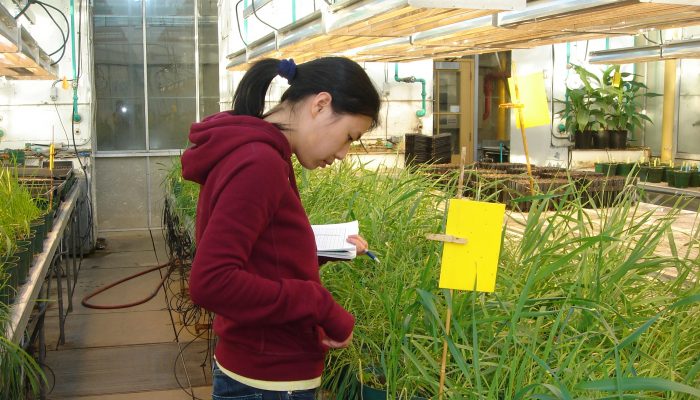
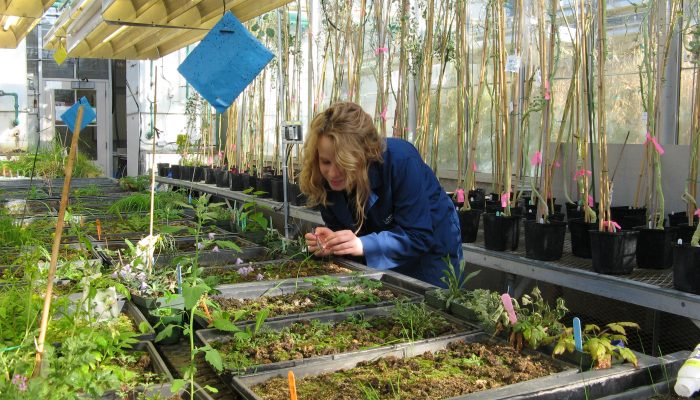
 Lindsay Van Damme, MSc Course Based
Conservation And Restoration Of Land And Water
Lindsay is studying the potential of various soil amendments for soil reclamation post coal mining, by testing them in the greenhouse to enhance physical and chemical properties of mine rock and coarse coal refuse and subsequent vegetation response. Lindsay earned a Bachelor of Science degree in zoology from Laurentian University.
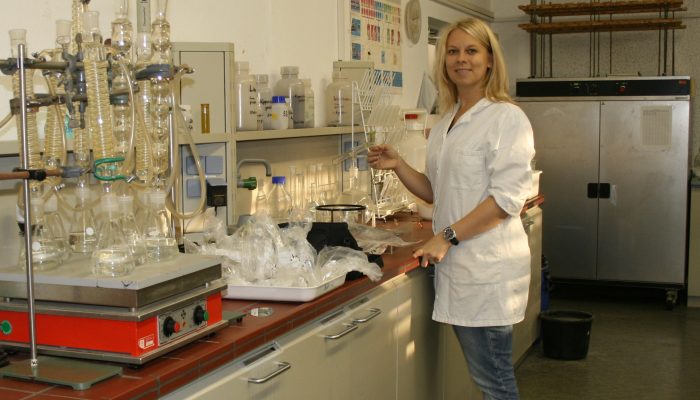
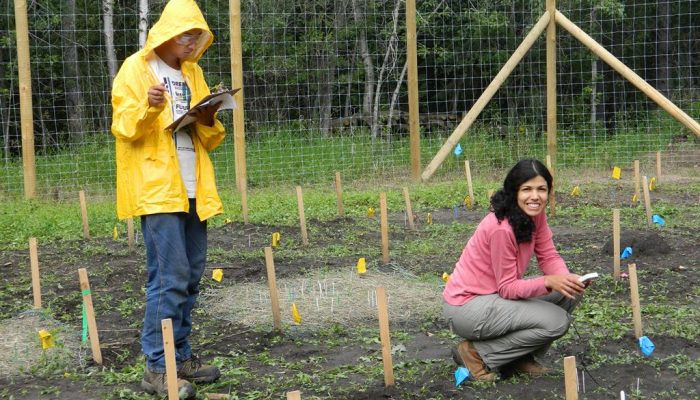
 Irum Zahara, PhD
Coal Derived Humic Products For Remediation
Irum is modifying coal derived humic products as cost effective adsorbents for removal of multi-metals and other contaminants from soil and water, and determining optimal application conditions to maximize contaminant removal efficiencies. Irum earned a PhD degree in land reclamation and remediation from the University of Alberta, a Master of Science in ground water management from TU Bergakademie Freiberg in Germany, and Bachelor and Master of Science degrees in environmental science from the University of the Punjab in Pakistan. Irum’s PhD research was on poultry feather keratin based biopolymers for water remediation.
 Sheetal Rimal, PhD
High Elevation Grassland Reclamation After Coal Mining
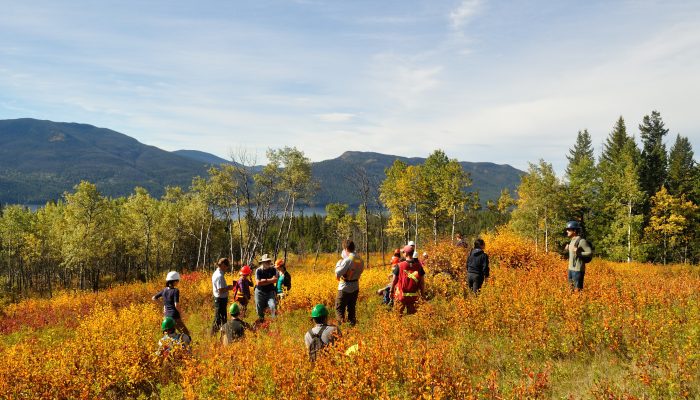
Sheetal is assessing soil properties and plant community development on reclaimed and undisturbed sites in high elevation grasslands to better understand ecosystem recovery and sustainability, and to develop best practices for industry reclamation after coal mining. Sheetal earned a PhD from the Université Laval in Quebec City and Bachelor and Master of Science degrees in environmental sciences from Tribhuvan University in Nepal. Her PhD research was on phytoremediation and mine reclamation.
 Sarah Wilkinson, MSc
Research Program Manager
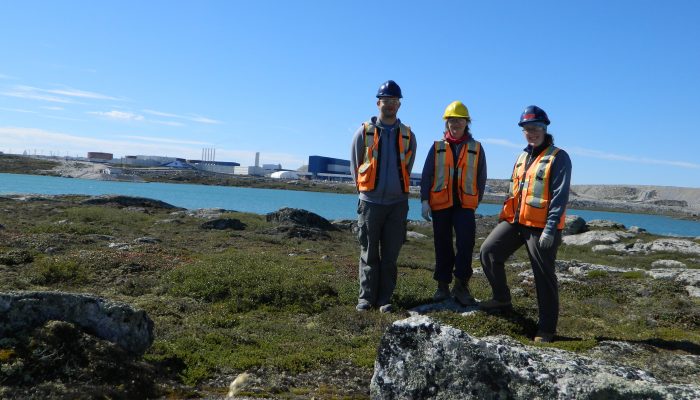
Sarah oversees day to day management and administration of Dr Naeth’s research program, provides technical and logistical support for research projects, trains and supervises research assistants, manages the reclamation research laboratories, and contributes to research project development and grant and paper writing. Sarah is coordinator of the Future Energy Systems Resilient Reclaimed Land and Water Systems theme and assistant director of the Land Reclamation International Graduate School. Sarah earned a Bachelor of Science degree in natural resource management from the University of Guelph and a Master of Science degree in land reclamation and remediation from the University of Alberta.
 Stacy Campbell Court, BSc
Administration and Research Assistant
Stacy provides administrative support for Dr Naeth and her team’s research, teaching and administration activities, and maintains the reclamation research laboratories. Stacy earned a Bachelor of Science degree in land use and environmental studies from the University of Saskatchewan.
 Henian Guo, MSc
Research Assistant
Henian assists Dr Naeth’s team members, including staff, post doctoral fellows and graduate students, with their research in the laboratory, greenhouse and field. Henian earned a Bachelor of Science degree in environmental science from Henan University in China and a Master of Science degree in land reclamation and remediation from the University of Alberta.
 Amalesh Dhar, PhD
Research Associate
Amalesh works with Dr Naeth on reclamation research projects using his expertise in reclamation and restoration ecology, landscape disturbances, ecosystem health and biodiversity, climate change and forest ecology and management and data analysis. He earned a PhD degree from University of Natural Resources and Applied Life Sciences in Austria, and Bachelor and a Master of Science degrees in agronomy agriculture from Bangladesh Agricultural University. He has ten years of previous research experience in various fields of natural resources management at University of Alberta, University of British Columbia, University of Northern British Columbia and Bulkley Valley Research Centre.
 David Chanasyk, PhD
David is a professor emeritus at the University of Alberta in the Department of Renewable Resources. His research expertise includes rural water quality, agricultural impacts on hydrologic processes, impacts of post-mine disturbances on hydrologic components and land reclamation.
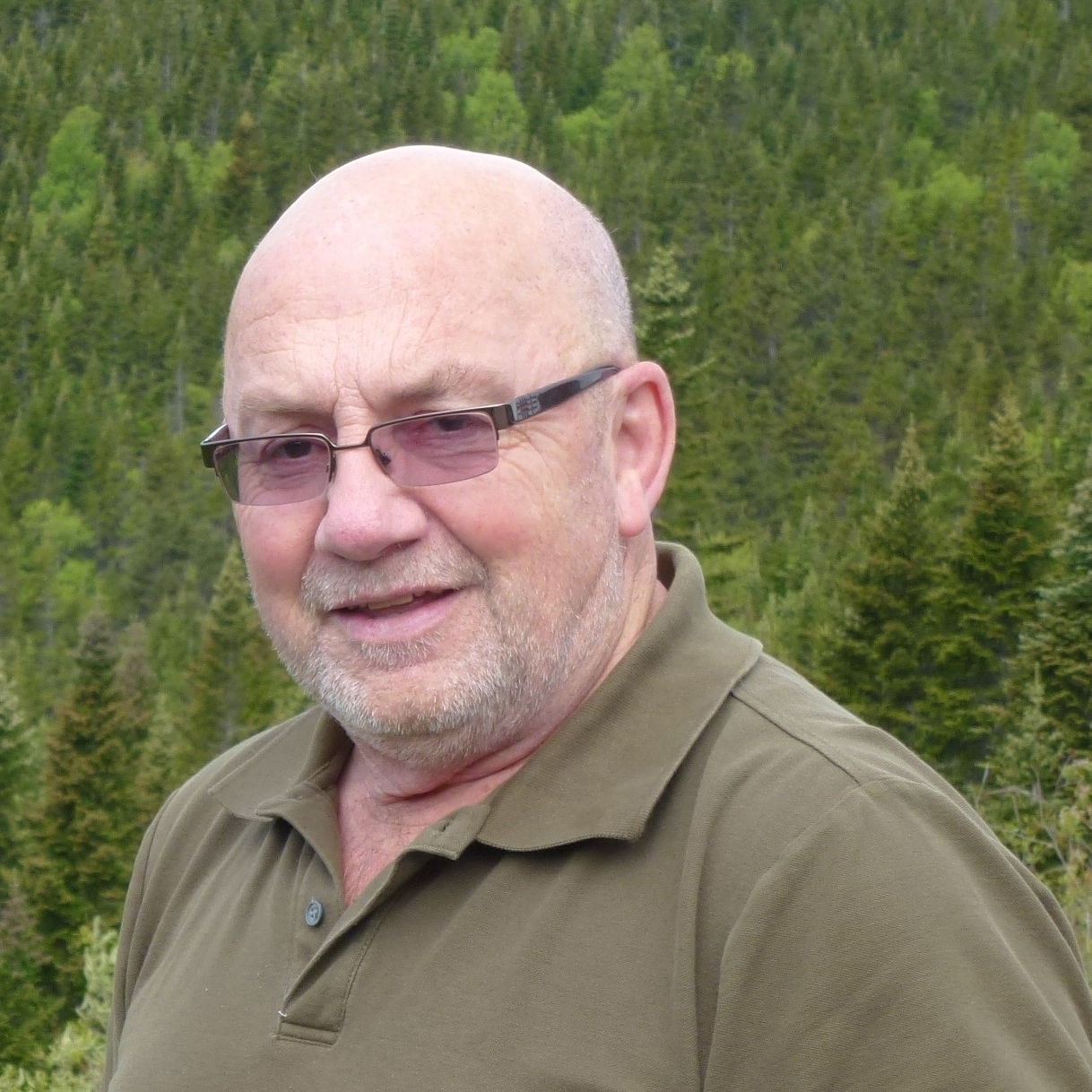 Allen Jobson, PhD
Al has worked for Alberta Environment, various consulting companies and Ostrem chemicals, and is a former adjunct professor at the University of Alberta. His research expertise is in microbiology and contaminant remediation, particularly bioremediation.
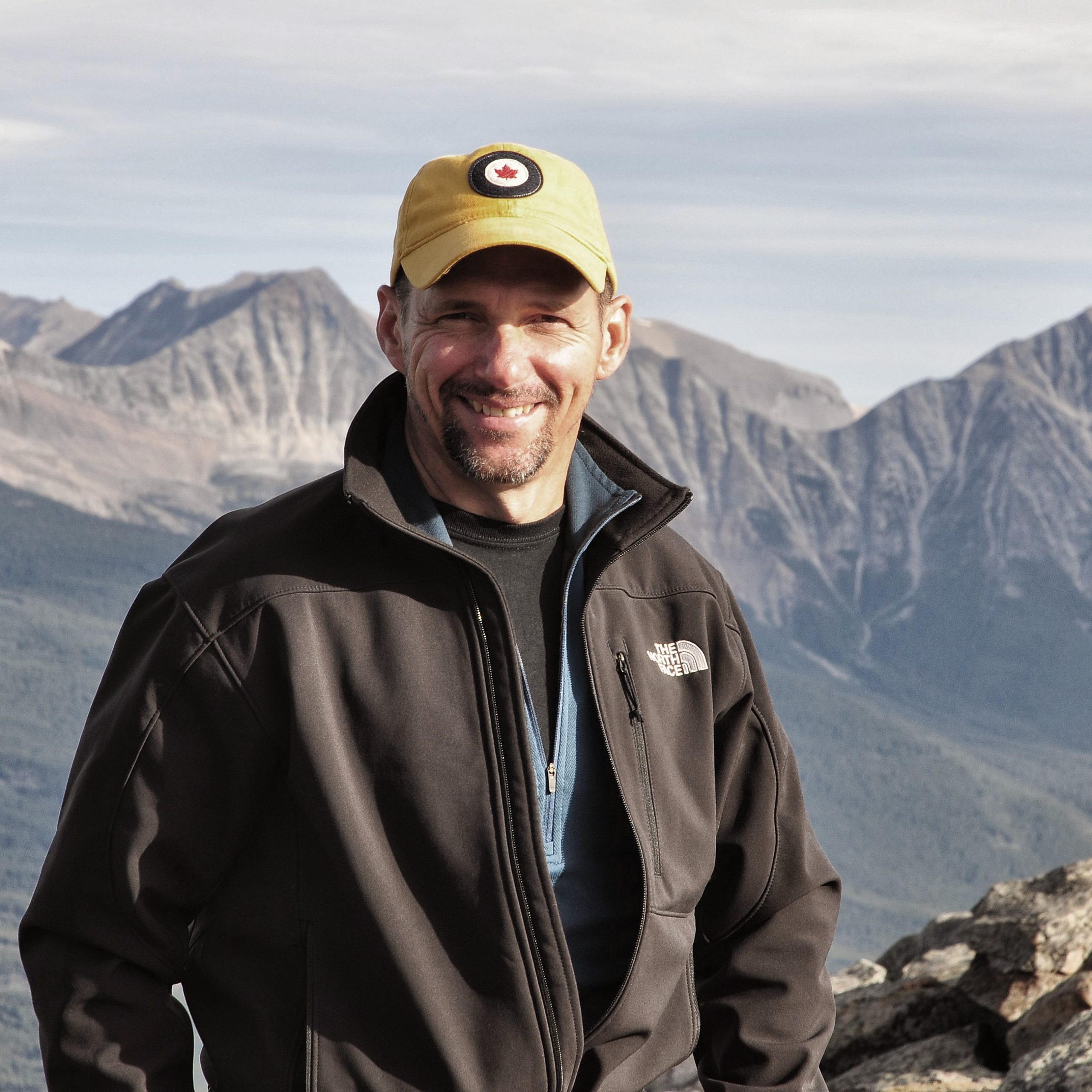 David Locky, PhD
David is an associate professor in biological sciences at MacEwan University and an adjunct professor at the University of Alberta. As a professional wetland biologist and professional biologist, he has a broad range of interests in wetland classification; plant rarity, diversity and biogeography; natural and human impacts on wetlands; and wetland policy and practices.
 Shelley Pruss, PhD
Shelley is a conservation specialist with Parks Canada and an adjunct professor at the University of Alberta. Shelley has published on many species at risk in Canada including the swift fox, Morman metalmark butterfly, greater sage grouse and the greater short horned lizard.
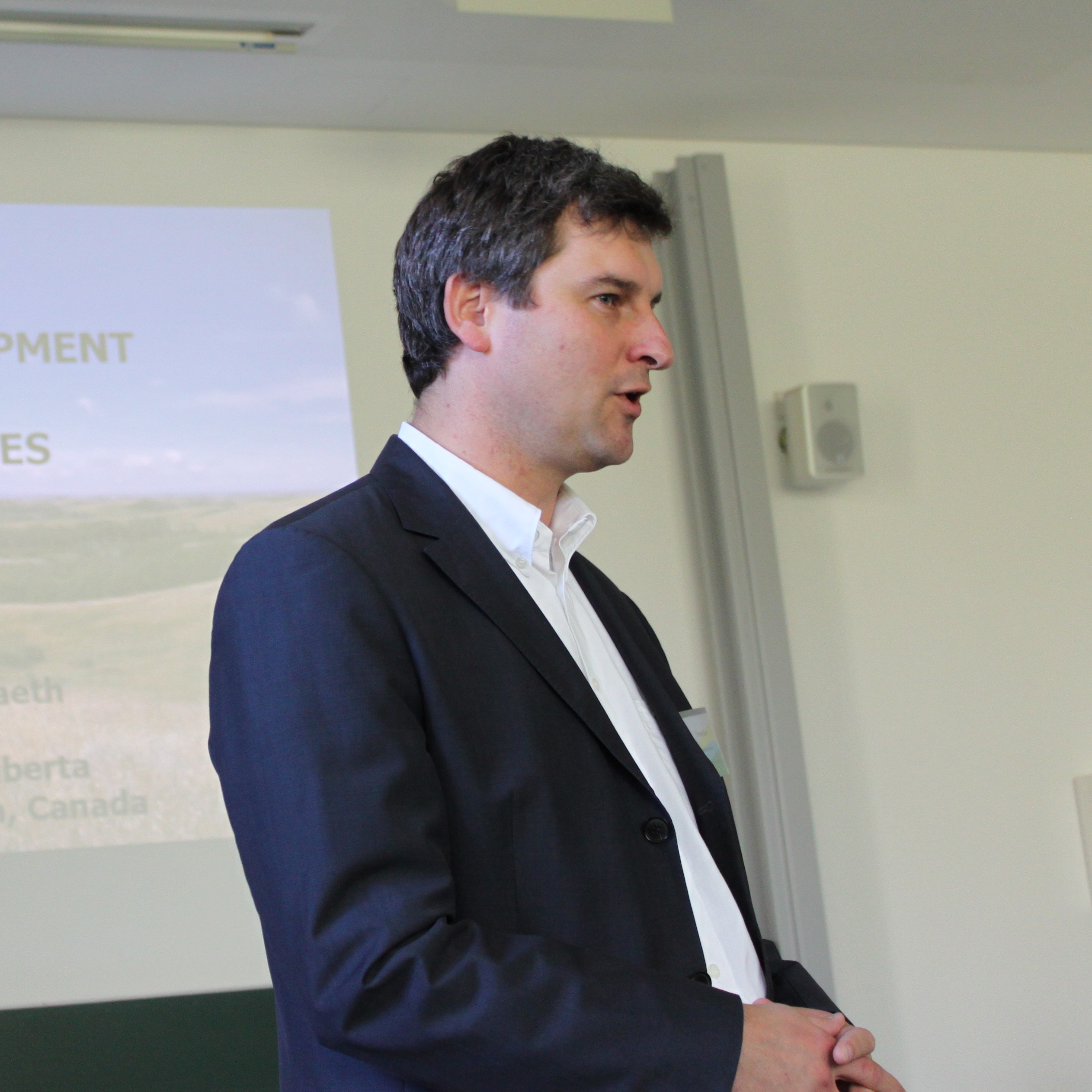 Thomas Raab, PhD
Thomas is the chair of Geopedology and Landscape Development at the Brandenburg University of Technology in Cottbus, Germany. His research interests are soil development, human induced landscape change, environmental impact of historic and prehistoric mining, glacial geology and geomorphology and soil and sediments as landscape archives.
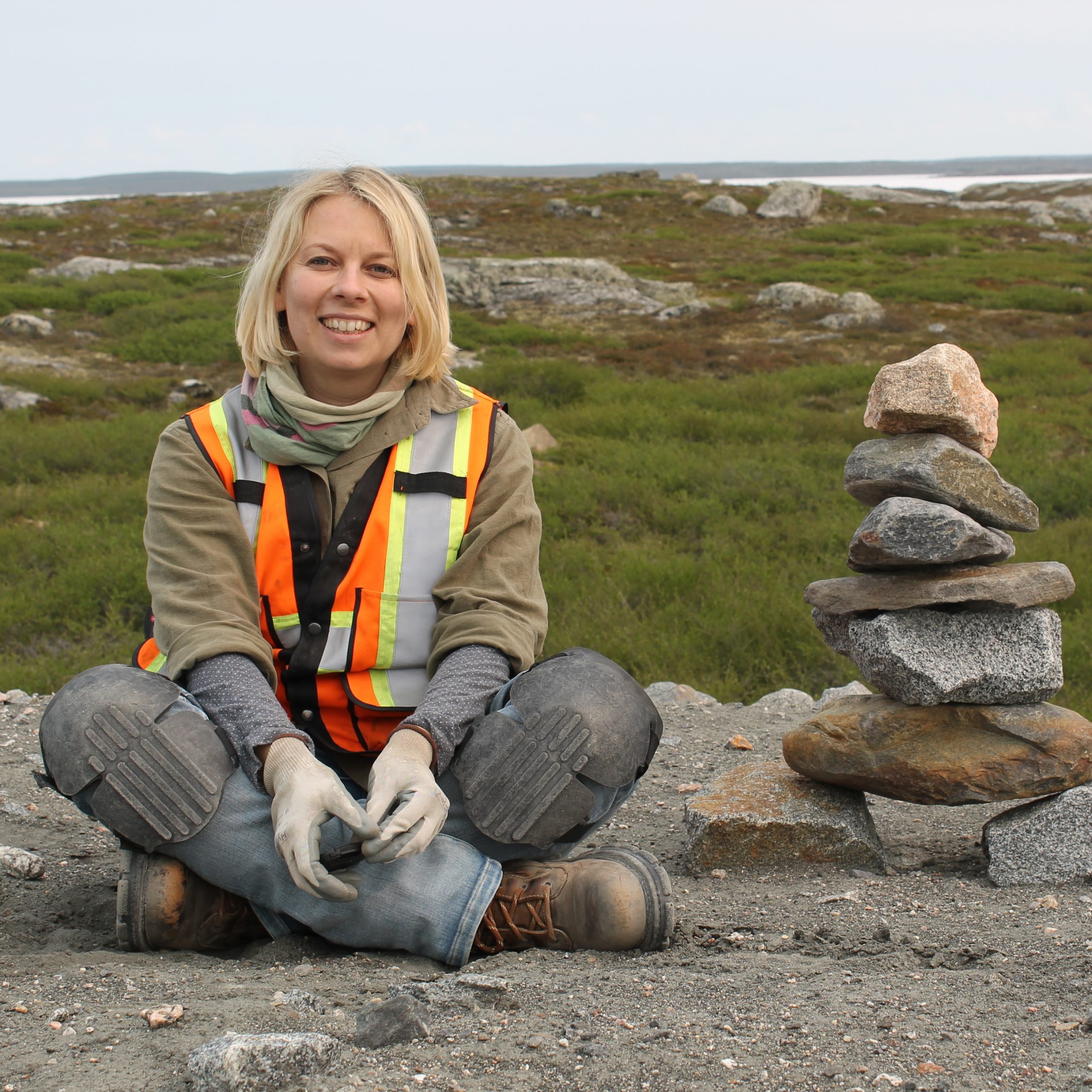 Katja Boldt-Burisch, PhD
Katja is a scientist responsible for mycology and macteriology with the State Office for Rural Development, Agriculture, and Land Consolidation (Landesamt für Ländliche Entwicklung, Landwirtschaft und Flurneuordnung) in Brandenburg Germany. Her research interests include root ecology and arbuscular mycorrhizal fungi development during land reclamation.
 Emmanuel Mapfumo, PhD
Emmanuel is a professor of environmental science at Concordia University of Edmonton, and the program coordinator for environmental science in the Department of Environmental and Physical Sciences. Emmanuel's research interests include land reclamation, remediation and the impact of climate change on agricultural systems.
 Dean MacKenzie, PhD
Dean is an independent consultant and researcher and is an adjunct professor at the University of Alberta. His research interests include conservation and land reclamation, revegetation, remote sensing, soil classification and biodiversity. He has worked with key industries in Alberta, coal mining, oil sands mining, oil and gas, aggregate and renewable energy. He was formerly the vice president, environment at Vertex Resources Group Ltd.
Muhammad Arslan, PhD
Dr Arslan's research looked into the molecular microbial ecology of oil sands process water, to clarify rates of genomic evolution and organismal adaptation. This research may help develop an improved bioremediation system through augmentation.
Katja Boldt-Burisch, PhD
Dr Katja Boldt-Burisch’s research focused on arbuscular mycorrhizal fungi development under herbaceous plant growth and different reclamation substrates providing information about how developmental stages of a reclamation area influences mycorrhizal community composition and abundance.
Maryam Firoozbakht, PhD
Dr Firoozbakht's research examined the function and dynamics of microbial communities in peatlands that have been impacted by hydrocarbons. This research can be used to develop effective bioremediation strategies to reduce environmental pollution and restore the health of these ecosystems.
Stephanie Chute Ibsen, PhD
Dr Ibsen's post doctoral research investigated the biophysical indicators of high elevation grassland reclamation success post coal mining.
Anayansi Cohen-Fernández, PhD
Dr Cohen-Fernandez’s research on micro sites increased understanding of fine scale environmental heterogeneity effects on establishment of target plant communities and early ecosystem development through physical, chemical and biological attributes of constructed microsites.
Jinhyeob Kwak, PhD
Dr Kwak’s research focused on long-term coarse woody debris effects on biogeochemistry in reconstructed soils in the Athabasca oil sands and the optimization of biochar for reclamation of oil sands process water.
Emmanuel Mapfumo, PhD
Dr Mapfumo's primary research investigated changes in physical and chemical properties in soils under various grazing and crop systems in the grassland and parkland regions of Alberta, particularly focused on modelling soil water dynamics and soil compaction.
Federico Mollard, PhD
Dr Mollard’s research focused on improving reclamation success with native plant species in a twofold study. One addressed light, temperature and hydrologic triggers for germination of native plant species and another addressed the effect of hay amendment on native grass emergence and establishment after broadcast seeding.
Christopher Nzediegwu, PhD
Dr Nzediegwu's research was on the development of novel biochar materials for land and water reclamation with a focus on remediation of oil sands process water.
Linjun (Marteya) Yao, PhD
Dr Yao’s research addressed improvement of soil properties such as water holding capacity, nutrients, electrical conductivity, pH and temperature to create substrates suitable for plant establishment and growth, leading to enhanced understanding of disturbed ecosystem processes.
Yihan Zhao, PhD
Dr Zhao's field and greenhouse research assessed the potential of using mineral source derived material as amendments to address soil deterioration issue in coal mine sites and to return the disturbed land to a productive, sustainable and beneficial state.
PhD Graduate Student Dissertations
Ibsen, S.M. 2024. Soil invertebrate indicators of land reclamation success.
Ficko, S.A. 2022. Development of shrub and lichen-dominated biocrust propagation and establishment techniques for reclamation in northern environments.
Zhao, Y. 2022. Humic substances as soil amendments in coal mine reclamation.
Watkinson, A.D. 2020. Restoration of sagebrush grassland for greater sage grouse habitat in Grasslands National Park, Saskatchewan.
Murata, A.P. 2019. Long term dynamics and potential remediation of fine textured soils and ground water contaminated with chlorinated organic compounds and salts.
Miller, V.S. 2019. Development of soils for revegetation in northern diamond mines.
Jamro, G.M. 2016. Soil biogeochemical processes and fine root dynamics of vegetation in LFH mineral soil mix and peat mineral soil mix organic capping materials used for oil sands reclamation.
Kwak, J. 2015. Coarse woody debris effects on biogeochemistry in two reconstructed soils in the Athabasca oil sands region in Alberta, Canada.
Yao, L. 2013. Potassium silicate drilling fluid as a land reclamation amendment.
MacKenzie, D.D. 2012. Oil sand mine reclamation using boreal forest surface soil (LFH) in northern Alberta.
Cohen-Fernández, A.C. 2012. Reclamation of a limestone quarry to a natural plant community.
Desserud, P.A. 2011. Rough fescue (Festuca hallii) ecology and restoration in central Alberta.
Henderson, D.C. 2005. Ecology and management of crested wheatgrass invasion.
Gardner, W.C. 2004. Copper mine tailings reclamation with biosolids.
Hammermeister, A.M. 2001. An ecological analysis of prairie rehabilitation on petroleum wellsites in southeast Alberta.
MSc Graduate Student Theses
Safaripour-Chafi, M. 2025. Phytoremediation potential of seven native plant species for hydrocarbon contaminated peat soils.
Stark, B. 2023. Course based Masters of Agriculture in Land and Water Resources.
Bony, L. 2020. Salt affected soils and their relationships with plant communities on reclamation well sites.
Robinson, M.J.C. 2018. Phosphogypsum reclamation: evaluating alternative and traditional cover systems.
Zhao, Y. 2017. Biomonitoring and assessment of airborne fluoride from fertilizer production.
Frerichs, L.A. 2017. Decadal assessment of successional development on reclaimed upland boreal well sites.
Low, C.H. 2016. Impacts of a six year old pipeline right of way on Halimolobos virgata (Nutt.) O.E. Schulz (slender mouse ear cress), native dry mixedgrass prairie uplands, and wetlands.
Lamarre, J.J.M. 2016. Tundra bryophyte revegetation: novel methods for revegetating northern ecosystems.
Aguilar Rojas, J. 2016. Urban naturalization for green spaces in the City of Edmonton, Alberta, Canada.
AbouRizk, J.S. 2015. Potential anthroposol development using phosphogypsum as a substrate with soil and organic amendments.
Jiao. Z. 2015. Effects of mirco sites and amendments on near surface soil temperature and volumetric water content to enhance revegetation.
Forsch, K.B.C. 2014. Oil sands reclamation using woody debris with LFH mineral soil mix and peat mineral soil mix cover soils: impacts on select soil and vegetation properties.
Nannt, M.R. 2014. Impacts of distance to pipeline disturbance on mixed grass prairie and Halimolobos virgata (Nutt.) O.E. Schulz (slender mouse ear cress).
Archibald, H.A. 2013. Early ecosystem genesis using LFH and peat peat amendments on Athabasca oil sands reclamation.
Stover, H.J. 2013. Non-native plant management and restoration of foothills fescue grassland in Waterton Lakes National Park, Alberta.
Turner, E.L. 2012. Influence of soil cap depth and vegetation on reclamation of phosphogypsum stacks in Fort Saskatchewan, Alberta.
Luna Wolter, G.L. 2012. Development of reclamation substrates for Alberta oil sands using mature fine tailings and coke.
Sherritt, D.E. 2012. Festuca hallii (Vasey) Piper (plains rough fescue) and Festuca campestris Rydb (foothills rough fescue) response to seed mix diversity and mycorrhizae.
Steinke, L.A. 2011. Plant and soil biophysical properties for evaluating land reclamation in Jasper National Park.
Nemirsky, C.L. 2011. Prairie plant species at risk in southern Alberta: identification of critical habitat at the microsite level for Halimolobos virgata (Nutt.) O.E. Schulz and determination of set back distance between pipeline disturbance and Halimolobos virgata and Cryptantha minima Rydb.
Brown, R.L. 2010. Use of woody debris as an amendment for soil reclamation after oil sands mining.
Cartier, S.B. 2010. Early stages of calcareous soil reclamation along the TMX Anchor Loop pipeline in Jasper National Park.
Shaughnessy, B.E. 2010. Natural recovery of upland boreal forest vegetation on a hummocky peat-mineral mix substrate in the Athabasca oil sands region, Alberta.
Antill, T.M. 2009. Biology and control of Russian thistle (Salsola tragus L.) in bighorn sheep (Ovis canadensis Shaw) winter ranges in montane grasslands of Jasper National Park, Alberta.
Elsinger, M.E. 2009. Reclamation status of plains rough fescue grasslands at Rumsey Block in Central Alberta, Canada after oil and gas well site and pipeline disturbances.
Hallin, I.L. 2009. Evaluation of a substrate and vegetation cover system for reclaimed phosphogypsum stacks at Fort Saskatchewan, Alberta.
Jackson, M.E. 2009. Assessment of soil capping for phosphogypsum stack reclamation at Fort Saskatchewan, Alberta.
Stanton-Kennedy, T.S. 2008. Soil and vegetation change on a coal mine 15 years after reclamation in the aspen parkland of Alberta.
Kwiatkowski, B.L. 2007. Diamond mine reclamation in the NWT: substrates, soil amendments and native plant community development.
Mackenzie, D.D. 2006. Assisted natural recovery using a forest soil propagule bank in the Athabasca oil sands, region.
Burgers, T.D. 2005. Reclamation of an oil sands tailings storage facility: vegetation and soil interactions.
Graham, S.C. 2005. Reclamation of hydrocarbon contaminated soils in Central Alberta using compost, fertilizer and native species.
Heidman, A.P. 2005. Bioremediation of hydrocarbon contaminated and compost amended soil: effects on microbial communities in the field.
Johnson, D.J. 2005. Pulp mill effluent irrigation for forage production.
Parker, E.A. 2005. Bromus inermis Leyss. persistence and invasion in Alberta aspen parkland.
Salisbury, B.S. 2004. Natural recovery versus seeding on a pipeline right-of-way in a boreal mixedwood forest in central Alberta.
Wruck, G.W. 2004. Revegetation and spatial patterns in pipeline reclamation in sandhills of Alberta's aspen parkland.
Smith, R.S. 2004. Water quality indicators for cumulative environmental effects assessment in the Bow and Red Deer River basins, Alberta, Canada.
Van Bostelen, C.J. 2003. Ungulate habitat restoration in Elk Island National Park.
Reid, N.B. 2002. Establishment of a vegetation cover on kimberlite mine tailings.
McIntryre, N.A. 2002. Reclamation of diesel fuel contaminated sites in northern Alberta.
Wilkinson, S.R. 2002. Management of elephant grass and restoration of moist evergreen forest in abandoned pastures, Galapagos Islands, Ecuador.
Bottorff, Q.W. 2001. Fire skips and understory plant diversity in an upper foothills-subalpine forest in northwestern Alberta.
Erichsen Arychuk, C.J. 2001. Native forb establishment on disturbed sites in the aspen parkland.
Ostermann, D.K. 2001. Revegetation assessment of a twelve year old pipeline on native rangeland in southern Alberta.
Soloudre, E.M.J. 2001. Restoration ecology of cattle grazing on mixed prairie well sites: a hierarchical approach.
Henderson, D.C. 2000. Carbon storage in grazed prairie grasslands of Alberta.
Mathison, M.M. 2000. Longevity of deep ripping effects on solonetzic soils.
Petherbridge, W.L. 2000. Sod salvage and minimal disturbance pipeline reclamation techniques: implications for native prairie restoration.
Pitchford, C.L. 2000. Season of seeding, mowing and seed mix richness for native plant community development in the aspen parkland.
Genoway, P.T. 1999. Suckering potential of declining aspen stands and mixedwood stands in west-central Saskatchewan.
Moskal, T.D. 1999. Moisture characteristics of coarse textured soils and peat:mineral mixes.
Schaefer, J.W. 1999. Bioengineering and reclamation to stabilize a lakeshore slope.
Banks, T.R. 1998. Effects of land use changes on trumpeter swan (Cygnus buccinator) use of lakes in the Grande Prairie region of Alberta.
Bush, C.D. 1998. Native seed mixes for diverse plant communities.
Fluker, M.G. 1998. Growth response of select native and introduced plant species to soil nutrient levels and interspecific competition.
Howat, D.R. 1998. Enhancing biodiversity on reclaimed lands.
Lamb, T.J. 1998. A study of plant community structure and a reclamation evaluation of disturbed subalpine sites in Glacier National Park, British Columbia.
Brown, D.J. 1997. Smooth brome (Bromus inermis Leyss.) in foothills fescue grassland: stand characterization and the effects of cattle, sheep, mowing, glyphosate and fire.
Gill, S.I. 1997. Grazing effects on runoff and erosion in annual and perennial pastures in the parkland ecoregion of Alberta.
Pelech, W.E. 1997. Performance of selected native and introduced plant species under mowing and herbicide management during the establishment period.
Sansom, J.J. 1996. In situ amelioration of sodic minespoil using sulfur, gypsum and crop management.
Dell, M.W. 1995. Select vegetation characteristics and soil physical properties of different aged russian wildrye pastures.
Hammermeister, A.M. 1995. Soil and plant response to the field application of fly ash.
Sale, L.Y. 1995. Use of unweathered fly ash to improve select soil physical properties and barley growth and development.